How I run operations for 800+ units as an AI-powered property management coordinator
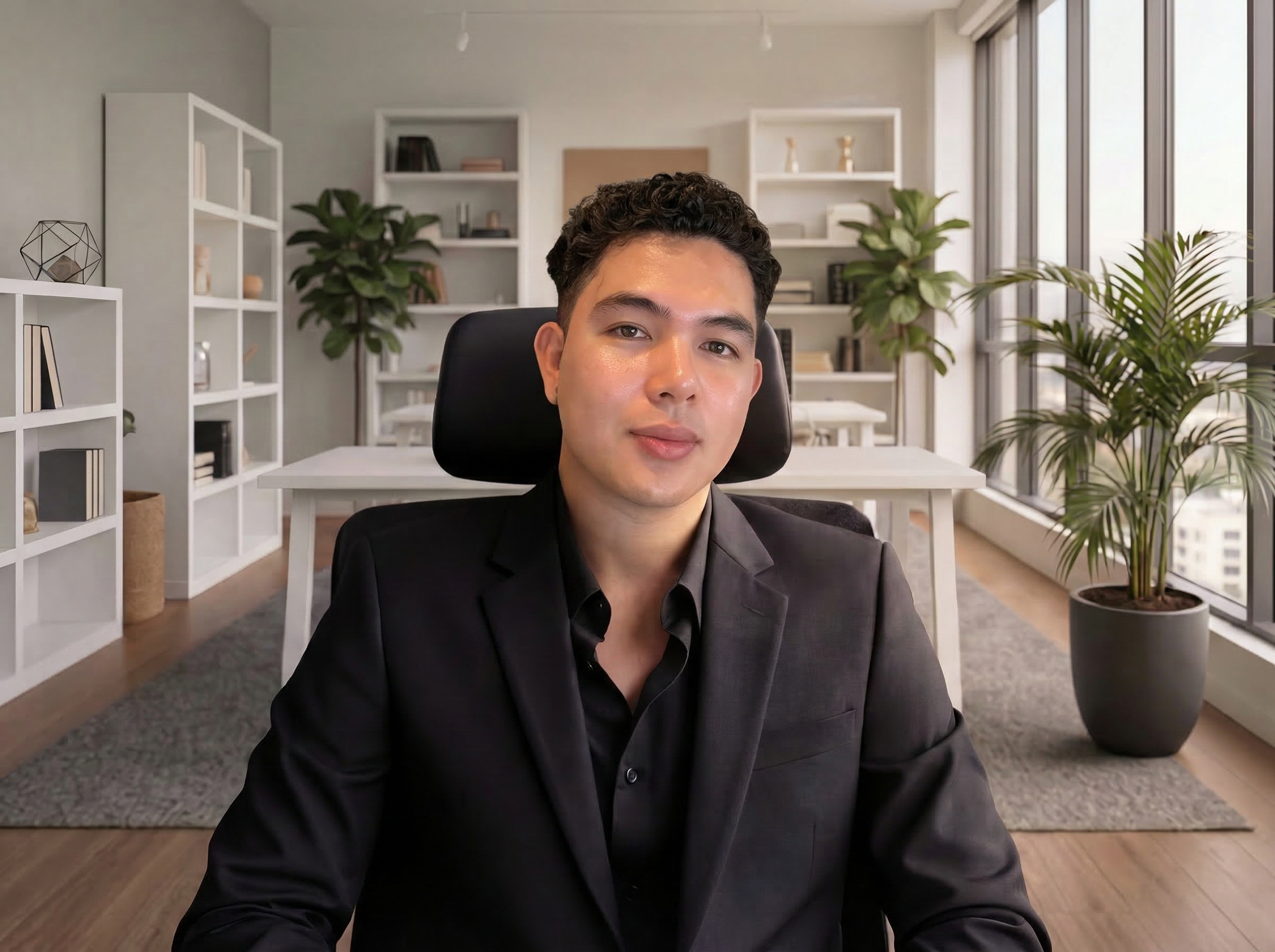 Jay Mark Calaor
7 min read
Jay Mark Calaor
7 min read

When people hear "property management coordinator," they usually picture someone forwarding emails all day. The real work is bigger than that. I keep leasing, maintenance, and owner reporting moving across hundreds of units at the same time, and I make sure things do not slip. Here is how that works for 800+ units, with AI doing a lot of the heavy lifting.
I have spent five years in property operations across traditional rentals, short-term rentals, and co-living, in markets from Kansas and Florida up to New York and Toronto. Different cities, same challenge: volume. Once you are looking after hundreds of units, a good week and a bad week do not come down to how hard you work. They come down to whether you have systems in place.
What a property management coordinator actually does
A coordinator sits in the middle of everything. On a normal day I am qualifying leads, booking tours, pushing applications across the finish line, dispatching maintenance, chasing vendors, answering residents, and pulling the numbers owners ask for. Any one of those is easy. Doing all of them every day, without dropping anything, is the part that is hard.
That is the kind of work that falls apart when it lives in your head or gets scattered across a few inboxes. So I run the role like a system: one clear way for things to come in, set steps for handling them, and one place to check where everything stands.

The numbers behind it
- 800+ units coordinated across different markets and property types.
- 5+ years in leasing, marketing, and maintenance operations.
- 40% less manual work after I built AI into lead intake and follow-ups.
- 5+ listing platforms kept in sync so vacancies show up wherever renters look.
The numbers are not the point on their own. They are what you get when the workflow is set up right: quicker replies, fewer tickets falling through, and occupancy that stays steady.
Where AI fits in
Being an "AI-fluent" VA just means I do not treat AI as an add-on. I build it into how the work actually runs. I use Claude, ChatGPT, and Gemini for the repetitive, wordy tasks that used to eat my day: drafting replies to residents, summarizing inquiries, pulling details out of applications, writing up SOPs, and turning a week of activity into a short summary an owner can read in a minute.
I am not trying to take the person out of the job. I am taking out the busywork, so the person can focus on the calls that actually need judgment.
So a lead that comes in at 11pm still gets a quick, on-brand reply. A maintenance request still gets logged and sent to the right person. The owner still gets their report on time, and I am not up late writing it.

It comes down to three connected flows
Everything I do really breaks into three flows that feed each other:
- Leasing: inquiry to signed lease, with AI handling intake, qualifying, and follow-up. More on leasing automation →
- Maintenance: request to resolution, with clear dispatch and tracking so nothing slips. More on maintenance at scale →
- Reporting and resident comms: messaging that sounds human, and owners who can see what is going on each week. More on tenant communication →
Key takeaways
- At 800+ units, systems beat effort. Intake, workflows, and a single status view do the heavy lifting.
- AI belongs inside the workflow, not bolted on, handling the repetitive language work.
- Operations is three connected flows: leasing, maintenance, and reporting/comms.
- The payoff is measurable: faster responses, fewer dropped tickets, steadier occupancy.
Jay Mark Calaor
Property management operations coordinator and AI-fluent virtual assistant. Five years across leasing, maintenance, and operations for 800+ units, building AI workflows with Claude, ChatGPT, and Gemini. See the full resume →