How I run lease renewals to keep good tenants
 Jay Mark Calaor
6 min read
Jay Mark Calaor
6 min read
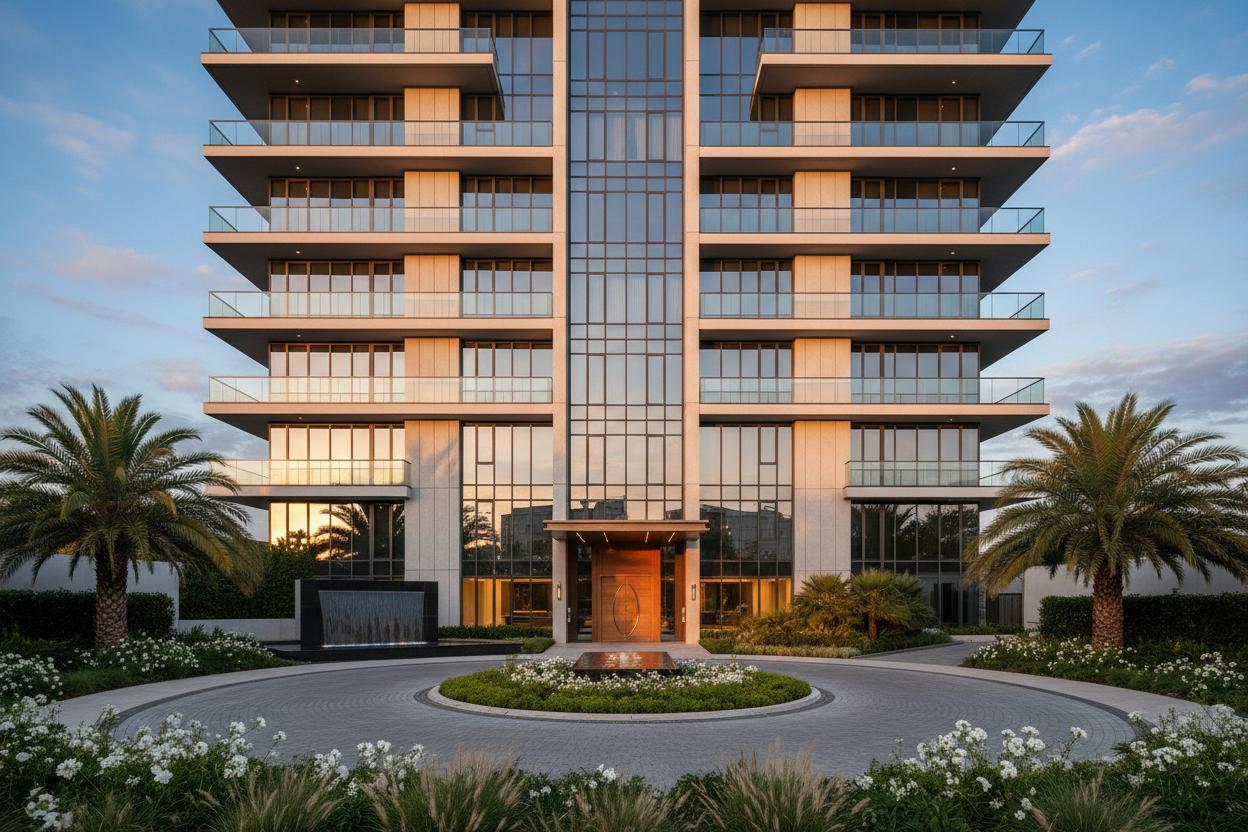
The cheapest unit to fill is the one you never have to. A resident who renews saves you the entire turnover cycle: the empty weeks, the make-ready, the marketing, and the hours it takes to screen someone new. So I treat renewals as their own workflow, planned months ahead, not something that happens in a rush when a lease is almost up.
What a turnover actually costs
Every move-out starts a bill that owners tend to underestimate. Industry estimates put the cost of turning a single unit somewhere between $1,000 and $5,000 once you add lost rent, cleaning and repairs, marketing, and the admin time to onboard a new resident. The National Apartment Association's 2024 benchmark put vacancy and rent loss alone at roughly $1,323 per unit per year across the multifamily industry, and that was the fourth straight year the number climbed.
The unit does not fill overnight either. The U.S. multifamily average for days to lease sat around 41 days in 2025. On a $1,500 unit, six weeks empty is more than $2,000 gone before you have paid for a single make-ready. A renewal skips all of it. When I keep that math in front of the owner, the value of holding onto a good resident stops being abstract.
A renewal is not a saved lease. It is a turnover you never had to pay for.
The 90-60-30 timeline I work backward from
I do not wait for a lease to reach its final month. Every expiration goes on a calendar, and I work three windows backward from the end date.
- 90 days out: I pull the resident's history, their payment record, any maintenance patterns, how they have treated the unit, and set the renewal terms with the owner or manager. The rent decision gets made here, quietly, not the week the offer goes out.
- 60 days out: the offer goes to the resident. Warm and clear, with the new term and any change spelled out in plain language, and room to ask questions.
- 30 days out: I follow up with anyone who has not responded, by both text and email. Silence is usually a question or a busy week, not a no.
Working backward from the expiration date means nothing lapses into a surprise month-to-month, and no resident worth keeping slips away because the outreach reached them too late to matter. Most renewal losses I have seen were not price problems. They were timing problems, where the offer showed up after the resident had already started looking elsewhere.

The rent increase conversation
The single most reliable way to lose a resident you want to keep is a sudden, steep jump in rent at renewal. Someone who has paid on time for two years and kept the place clean is worth far more than the few extra dollars an aggressive increase might capture, especially when that increase is exactly what sends them to shop around.
So I handle the increase early and honestly. If rent is going up, I say why, whether it is the market or rising costs, give plenty of notice, and keep it reasonable. A resident who feels respected and warned will usually absorb a fair increase and stay. One who feels ambushed starts scrolling listings the same night. Retention benchmarks in property management sit around 70% for a reason: the operators who clear that line are almost always the ones who price renewals like they want the person to stay.
Renewal is also the moment to close small loops. If there is an open maintenance issue or an unanswered request sitting in a resident's file, I clear it before the offer goes out. Nobody signs another year happily with a broken thing still on their mind.
Reading the signals before renewal season
Good renewals start long before the offer. Across the year I watch for the quiet signs a resident is drifting: a payment that started arriving late, a maintenance request that took too long to close, a complaint that never got a real reply. Those are the people I reach out to personally, well ahead of their renewal window, while there is still time to fix the thing that soured them.
The residents who renew are almost always the ones who felt heard all year. That means the renewal workflow really begins with everything upstream of it: fast maintenance, honest communication, and a unit that actually gets fixed when something breaks. I lean on the same habits I use for humanized resident communication and maintenance coordination, because those are what make the renewal conversation easy when it finally comes.
Where AI helps, and where it does not
The part AI handles well is the calendar and the first draft. I have it track every expiration, flag the 90, 60, and 30 day windows, and draft outreach personalized to each resident's history so nobody gets a generic form letter. That kind of steady, unglamorous tracking is exactly what gets dropped when it is done by hand across hundreds of units, and it is exactly what AI keeps honest.
What stays human is the judgment: what the increase should be, which at-risk residents need a real conversation instead of an email, and how to word a message to someone who has had a hard year. AI drafts it. I decide it, and I sign it. If you want the fuller picture of how that split works, I wrote it up in the AI stack behind this.
Key takeaways
- A renewal is the cheapest unit you will ever fill; turnover runs $1,000 to $5,000 plus weeks of vacancy.
- Work every expiration backward on a 90-60-30 day timeline so nothing lapses by surprise.
- Handle the rent increase early, honestly, and reasonably; a sudden jump is the top reason good residents leave.
- Clear open issues before the offer, and watch the at-risk signals all year, not just at renewal.
- Let AI track the calendar and draft the outreach; keep the pricing and the hard conversations human.
Jay Mark Calaor
Property management operations coordinator and AI-fluent VA. I build renewal and retention workflows that keep good residents in place across 800+ units. Get in touch →