How I run inspections on occupied units
 Jay Mark Calaor
7 min read
Jay Mark Calaor
7 min read
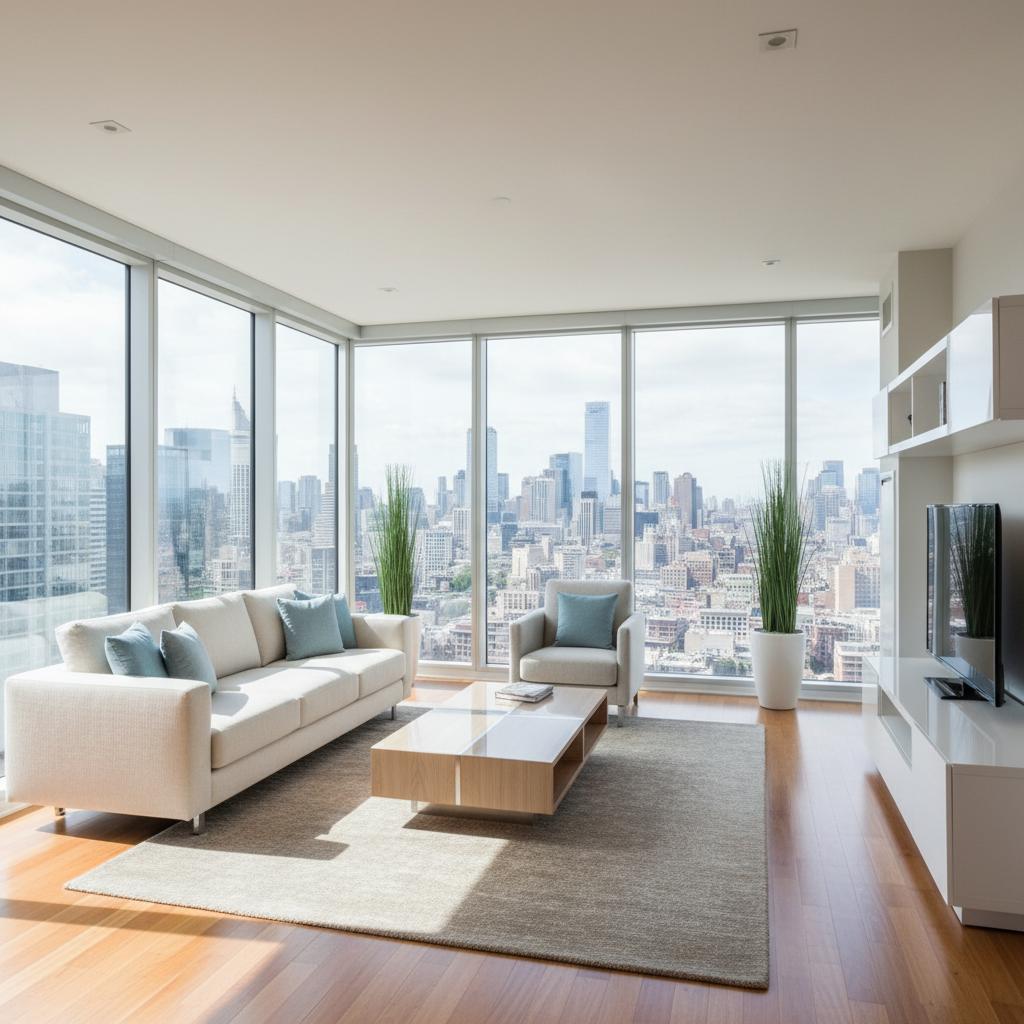
Most portfolios inspect a unit twice: once when someone moves in and once when they move out. Everything that happens in the eighteen or thirty months between those two visits gets discovered by accident, usually because a resident finally called about something that had been quietly getting worse. The mid-lease inspection is the least glamorous item on my calendar and the one that changes the maintenance budget the most, because it is the only scheduled moment where somebody looks at a unit that nobody is complaining about.
Entry law is the part people get wrong first
Before deciding how often to inspect, I find out what the law in that state actually lets me do, because the answer is narrower than most operators assume. California is the clearest example. Civil Code section 1954 lists the cases in which a landlord may enter a dwelling unit: an emergency, to make necessary or agreed repairs or improvements or supply agreed services, to show the unit to prospective purchasers or tenants or contractors, when the tenant has abandoned the premises, under a court order, and a small set of specific statutory purposes. A routine periodic inspection is not on that list. The only inspection the section refers to is the one under Section 1950.5, subdivision (f), which is the pre-move-out inspection tied to the security deposit.
That matters in practice. In California, a general mid-lease condition inspection generally depends on the resident agreeing to it, or on the visit being genuinely tied to repairs or services. I schedule those visits as what they are, and I do not dress up a fishing expedition as a repair call.
The notice rules are similarly specific. California treats twenty-four hours as presumed reasonable notice, and entry is limited to normal business hours unless the resident agrees otherwise. Washington is stricter on the interval and more prescriptive about the notice itself. Under RCW 59.18.150 a landlord must give at least two days' written notice to enter for an inspection, repairs, or services, and only one day's notice to show the unit. That notice has to state the exact date and time or a window with the earliest and latest possible times, and it has to include a telephone number the resident can use to object or ask to reschedule.
Twenty-four hours is the common baseline across states that regulate entry at all, with a smaller group requiring two days. I do not work from memory on this. Every property gets its entry rule confirmed against the current state statute and any local ordinance before the first inspection is booked, because a technically improper entry turns a routine visit into a dispute that costs more than the repairs would have.
The notice is an operational tool, not just a legal one
A notice written only to satisfy a statute produces an anxious resident and a hastily tidied unit. I write it to do more work than that. It says what I am looking at, roughly how long I will be in the unit, that the resident is welcome to be present, and that they can tell me about anything that has been bothering them. I include a phone number whether or not the state requires one.
That last invitation is the highest-yield sentence in the process. Much of what I end up writing up came from a resident mentioning it while I was standing there. People tolerate a slow drain or a window that no longer latches for months without filing a request, and a scheduled visit gives them an easy moment to raise it.
What I actually look at inside
An inspection without a fixed list becomes a walk-through where the inspector notices whatever happens to draw their eye. I use the same list every time, ordered so the expensive failures come first and the cosmetic notes come last.
Water gets looked at before anything else, because water is where the money is. Under every sink, around the base of the toilet, the supply lines to the washer, the water heater and the pan beneath it, the ceiling below any upstairs bathroom, and the caulk line in the tub or shower. I am looking for staining, softness, mineral crust on a fitting, and any smell that suggests something has been wet for a while.
Then the life-safety items, which carry the least ambiguity and the highest consequence: smoke and carbon monoxide alarms tested rather than glanced at, the age stamp on the alarm body checked, egress windows opening and latching, and nothing stored against a water heater or furnace. Then the systems, meaning HVAC filter and return condition, corrosion at the water heater fittings, a dryer vent running clear, and an accessible electrical panel. Finishes and the envelope come last, which is where I note what would otherwise become a turnover charge nobody can defend at move-out.
Lease compliance sits in a separate column and gets recorded factually. Unauthorized occupants, a pet in a no-pet unit, a smoking smell, an alteration to the unit. I write down what I observed and photographed without editorializing. What happens next is a conversation, not a note in a file.
The exterior walk nobody schedules
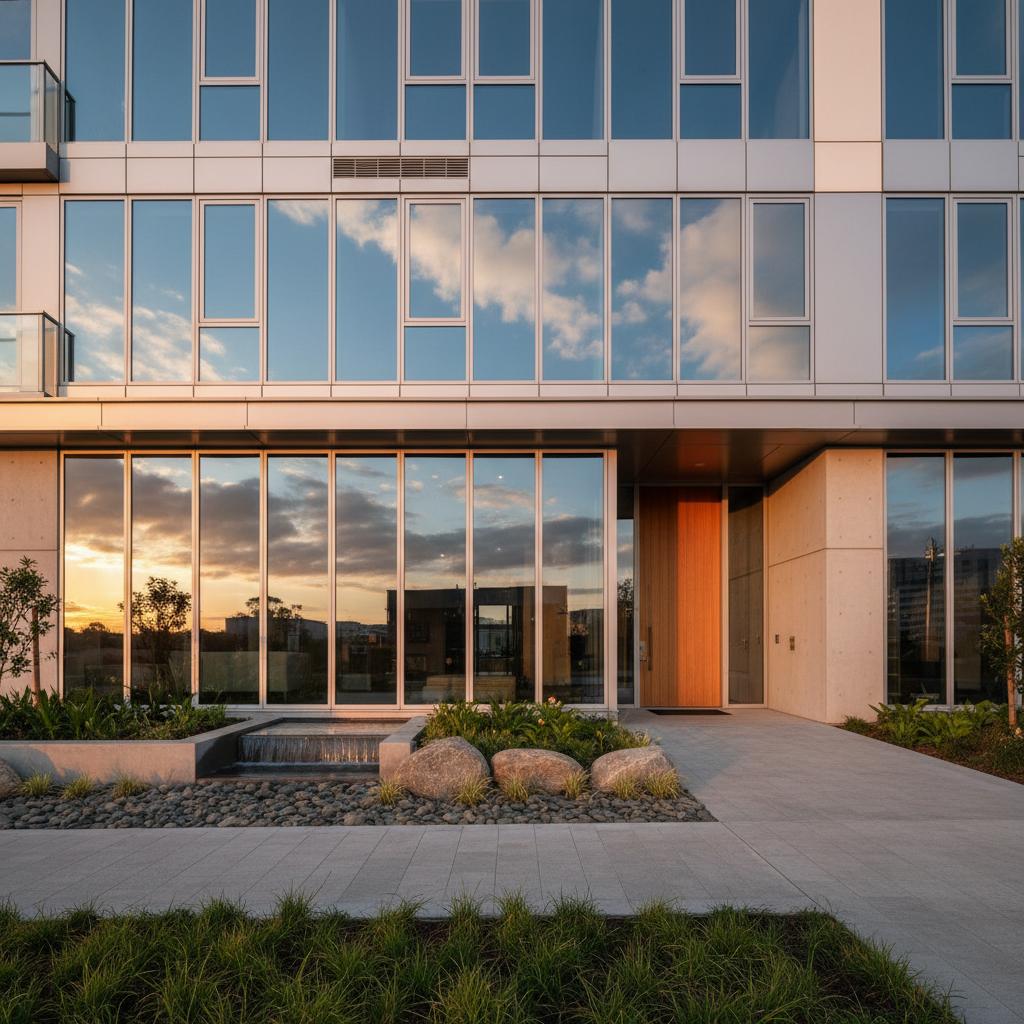
Interior inspections need notice and cooperation. The exterior needs neither, which makes it the easiest habit to build and the one most portfolios still skip. Roof edges and visible sagging, gutters and downspouts and where they discharge, grading that has started sending water toward the foundation, caulking and flashing, stairs and railings, walkways and lighting.
I pair these with trips that are already happening, since somebody is at the property anyway to meet a vendor or show a unit. Fifteen minutes of a deliberate exterior loop on a booked visit costs almost nothing. Most of the genuinely expensive repairs I have seen were visible from outside long before anyone inside noticed a symptom.
Findings only count once they are work orders
An inspection report that stays a document is a record of things that were once true. The version that changes anything is one where every finding leaves the visit as a tracked item with an owner, a priority, and a date. I close that loop the same day, while the photos still have context.
Findings sort into four buckets. Fix now covers anything affecting safety or habitability and gets dispatched immediately. Fix this cycle covers real but non-urgent problems, which enter the normal work order queue with a target date. Watch covers conditions that are not yet failures, which get a photo, a note, and a recheck at the next inspection so a slow change reads as a trend rather than a surprise. Resident responsibility covers items that belong to the resident under the lease, communicated in writing with a timeframe and a follow-up.
The photos matter more than the wording. Every finding gets a dated image attached to the unit record. That archive is what makes a deposit deduction defensible at move-out, what tells an owner why a recommendation is being made, and what shows an insurer that a condition was identified and acted on rather than ignored.
This is also where I let AI do what it is genuinely good at. I dictate observations while walking and have them drafted into a structured report and a plain resident-facing summary in a fraction of the time typing it up would take. Judgment about severity, about what counts as a lease violation, and about how to raise a sensitive finding stays with me. AI does the paperwork, not the deciding.
The pre-move-out inspection is a different thing entirely
It is worth separating the routine mid-lease visit from the statutory inspection that happens at the end of a tenancy, because the second one carries obligations the first does not. In California, Section 1950.5(f) gives the resident the right to request an initial inspection before moving out. The landlord has to notify them in writing of that option and of their right to be present, the inspection happens no earlier than two weeks before the end of the tenancy, and it requires at least forty-eight hours' prior written notice unless both sides sign a waiver. Afterward the landlord provides an itemized statement of the repairs or cleaning that would be the basis of deposit deductions, specifically so the resident has a chance to fix those things first and avoid the charge.
Operators who treat that as a formality lose deposit disputes. Handled properly it does the opposite, because the resident has been told in writing exactly what would be deducted and given the chance to address it. A portfolio that has also been inspecting mid-lease arrives at that conversation with a documented history rather than a single snapshot and an argument.
Cadence, and keeping it from feeling like surveillance
My default is one interior inspection per unit per year with the exterior walked quarterly, and from there cadence follows condition rather than the calendar. A unit with older systems, a history of water issues, or a recent pattern of requests gets looked at more often. A well-kept unit in a newer building with nothing on its record gets left alone longer. HUD's NSPIRE framework works on a similar principle for assisted housing, where properties that score well earn less frequent inspection and those that score poorly are seen more often. Attention is finite and should follow risk.
Tone takes the most care. Residents experience an inspection as someone deciding whether they are in trouble, and the way to defuse that is to be consistent and specific about the purpose. I say plainly that the visit is to catch building problems early, give everyone the same notice on the same schedule, show up in the window I promised, and follow up with what I found and what is being done about it. When residents see that inspections reliably produce repairs, they start asking when the next one is.
What I track
Four numbers tell me whether the program is working. Inspection completion rate against what was scheduled, because a program that quietly slips is worse than none at all. Findings per unit, which should fall over time in a portfolio being properly maintained. The share of findings closed within their target window, which is the real measure of whether inspections are producing repairs or paperwork. And the proportion of emergency work orders that trace back to a condition an earlier inspection had already flagged, which is the number that tells an owner exactly what the program is buying them.
Key takeaways
- Confirm entry law per state before scheduling. California's Civil Code 1954 lists the permitted reasons for entry and a routine periodic inspection is not among them.
- California presumes twenty-four hours to be reasonable notice and limits entry to normal business hours unless the resident agrees otherwise.
- Washington's RCW 59.18.150 requires two days' written notice to inspect and one day to show, with an exact time or window and a phone number for the resident to object or reschedule.
- Write the notice to invite the resident to raise problems. Much of what gets found comes from that conversation rather than from the walk itself.
- Inspect from the same fixed list every time, water first, then life safety, then systems, then finishes.
- Record lease compliance observations factually and separately, then handle them as a conversation.
- Walk the exterior quarterly and attach it to trips already happening. Expensive failures are usually visible outside long before anyone inside calls.
- Sort findings into fix now, fix this cycle, watch, and resident responsibility, and turn every one into a tracked item the same day.
- Photograph everything to the unit record. That archive is what defends a deposit deduction and justifies a recommendation to an owner.
- Treat the pre-move-out inspection as a separate legal process. California's Section 1950.5(f) carries its own notice, timing, presence, and itemized statement requirements.
- Set cadence by condition rather than by calendar, the way NSPIRE ties inspection frequency to how a property scores.
- Track completion rate, findings per unit, share closed on time, and emergencies traceable to a prior flagged condition.
Jay Mark Calaor
Property management operations coordinator and AI-fluent VA. I build the leasing, maintenance, and reporting systems that keep 800+ units running, including the inspection programs that keep small problems from becoming capital projects. Get in touch →