How I run unit turnovers so vacancies don't drag
 Jay Mark Calaor
6 min read
Jay Mark Calaor
6 min read

A turnover is where money quietly leaks out of a portfolio. Every day a unit sits empty is rent you will never get back, and the industry math is unforgiving. At the national average rent of roughly $1,740 a month, each vacant day costs about $58, and the all-in cost of a single move-out has been pegged near $3,872 once you add up lost rent, make-ready work, marketing, and concessions. The way I keep those numbers down is not heroics at the end. It is a workflow that starts the day notice comes in.
The clock starts at notice, not at move-out
Most dropped turnovers I have seen trace back to the same mistake: nobody did anything until the resident handed back the keys. By then you have already lost a week you can never schedule back. When a notice to vacate arrives, I open the file immediately and set three things in motion. I confirm the exact move-out date in writing, I get the unit onto the marketing calendar so it can list the moment it is rent-ready, and I send the departing resident a plain move-out guide that tells them what "broom clean" actually means and how the deposit works. Half of deposit fights come from residents who never understood the standard they were being held to, so I remove that surprise on day one.
Nothing about a turnover should be a surprise. Not to the resident, not to the vendor, not to the owner.
The move-out inspection is where deposits are won or lost
The single most important document in any turnover is the move-out inspection, and it lives or dies on photos. Rules have tightened here for good reason. In California, A.B. 2801 now requires owners to take dated photographs of the unit after the resident leaves, both before and after any repairs or cleaning, and any deduction has to line up with a written inspection statement. You cannot go back and invent charges for things you failed to document during the walkthrough. Even where your state has no such law, that is exactly the standard I hold myself to, because it is the standard that survives a dispute.
So my move-out inspection is not a quick glance. It is a room-by-room record with timestamped photos of every wall, floor, appliance, and fixture, compared directly against the move-in condition report. Normal wear and tear stays on the owner. Genuine damage gets documented clearly enough that the resident, looking at the same photo, would agree. When you do this consistently, deposit conversations get shorter and calmer, because the evidence is doing the talking.

Turn the punch list into a schedule, not a wish list
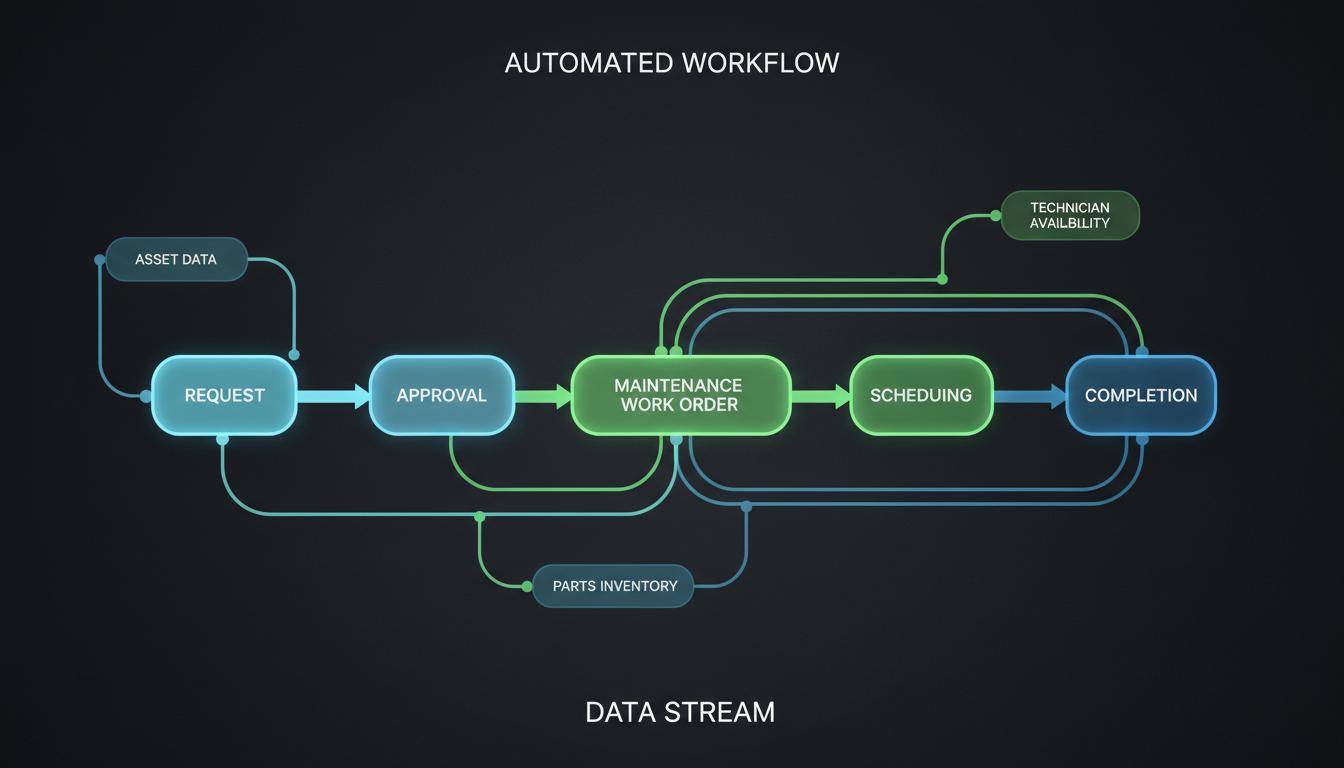
The inspection produces a punch list, and a punch list sitting in someone's inbox does not turn a unit. What actually shortens vacancy is sequencing the work and booking the vendors before the resident is even gone. The moment I have the move-out date, I know roughly what the unit will need, so I pre-schedule the trades in the right order: repairs first, then paint, then flooring if it is being replaced, then a full clean, then the final walk. Doing that out of order is how you end up repainting a wall a cleaner already wiped down.
Scope drives the timeline honestly. A light turn with a deep clean, touch-up paint, and small fixes can be done in three to five days. A heavy turn with flooring and appliance work realistically runs ten to twenty-one. NAA's operations benchmarks put a typical move-out to rent-ready turn in the ten-to-fourteen-day range, and that is the number I plan against so owners get a real date instead of an optimistic one. Repair and maintenance costs have climbed sharply across the industry in recent years, so the goal is not the cheapest turn, it is the turn that gets a paying resident back in the door without a callback.
Deposit reconciliation people can trust
Once the make-ready is priced, the deposit reconciliation has to go out fast and clean. Most states give you a tight window, commonly around twenty-one days, to send an itemized statement and return whatever is left. I treat that deadline as hard, because a late or vague statement is how a landlord loses a deposit case they would otherwise have won. Every deduction on my statement ties back to a line on the inspection and a photo, priced against an actual vendor invoice, not a round guess. If the number feels fair and it is backed by evidence, most residents accept it and move on, and the ones who do not still meet a record that holds up.
Where AI actually helps
None of this replaces good judgment, but AI takes a lot of the friction out. I use it to draft the move-out guide and the reconciliation statement in a warm, clear voice, to turn a messy list of inspection notes into a properly sequenced make-ready schedule, and to keep the whole thing on a timeline so no step slips. It flags when a unit is approaching its target rent-ready date and still has open items. The photos, the standard, and the final call stay with me. The busywork does not. More on how I coordinate the vendor side →
Key takeaways
- Start the turnover at notice, not at move-out, so you never lose schedulable days.
- Document the move-out inspection with dated, room-by-room photos against move-in condition.
- Pre-schedule vendors in the right order: repairs, paint, flooring, clean, final walk.
- Send an itemized deposit statement fast, with every deduction tied to a photo and an invoice.
- Let AI handle drafting and scheduling; keep the standard and the final call human.
Jay Mark Calaor
Property management operations coordinator and AI-fluent VA. I run turnovers, leasing, and maintenance coordination across 800+ units, with an eye on the vacancy days that actually cost owners money. Get in touch →