How I run after-hours emergency maintenance calls
 Jay Mark Calaor
7 min read
Jay Mark Calaor
7 min read
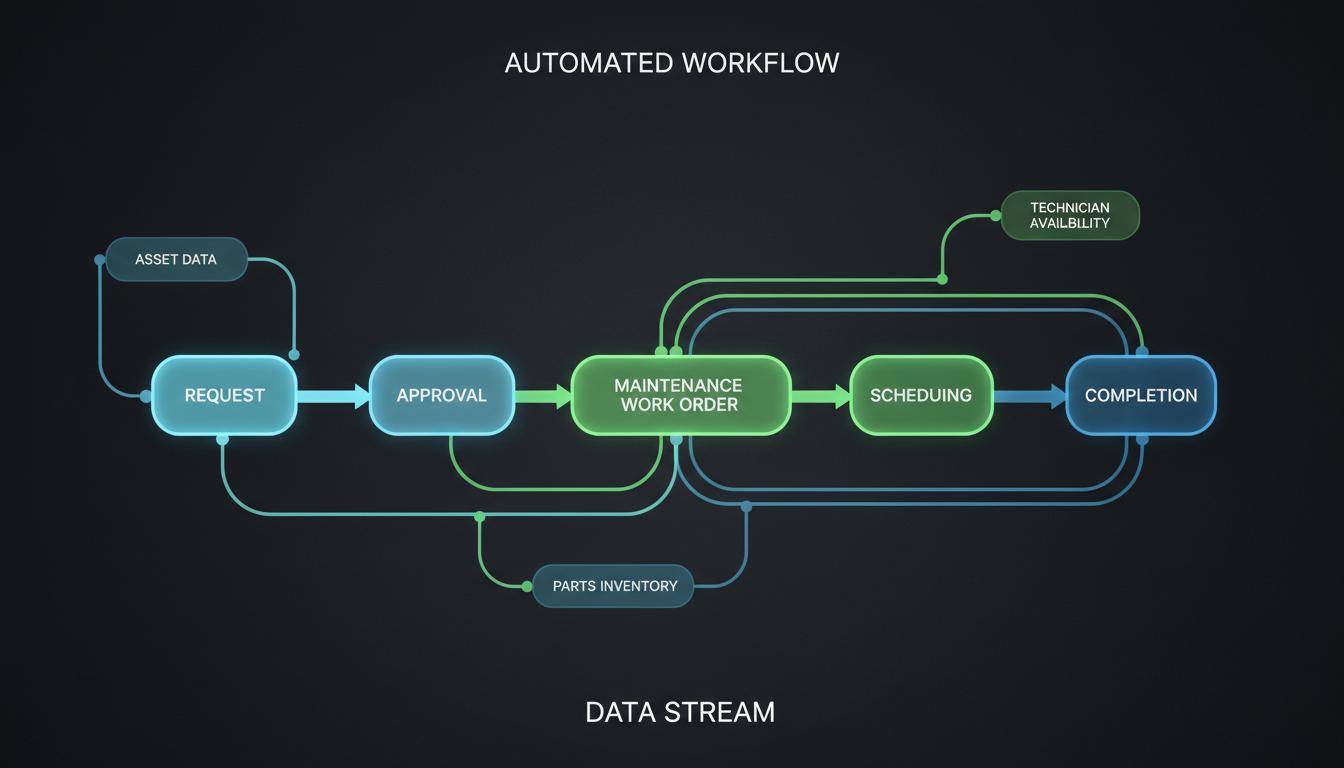
The daytime maintenance queue is a system. The 11pm phone call is usually not, and that gap is where portfolios lose money and residents lose patience. A call taken after hours has to reach a decision in a few minutes, with no office, no supervisor, and often no clear picture of what is actually happening in the unit. Here is how I set that up so the person answering is following a written path instead of improvising.
Owners are grading you on exactly this
Buildium's 2026 Rental Owners' Survey asked owners how they judge a property manager's performance. Response time led the list at 43 percent, ahead of maintenance turnaround at 31 percent, occupancy rate at 30 percent, and time to lease at 25 percent. Two of the top four are speed, and the after-hours window is where speed is hardest to fake.
Residents weigh it the same way. In Buildium's 2026 State of the Property Management Industry Report, 31 percent of renters who were unsure about renewing said they would renew if their manager were more responsive to maintenance requests, and 40 percent said they would stay another year if the manager invested more in maintaining the property. One badly handled night call rarely ends a tenancy by itself, but it is the story a resident tells themselves at renewal time.
The definition has to exist before the phone rings
The most expensive after-hours problem is not a burst pipe. It is a coordinator at midnight deciding, alone and under pressure, whether a broken dishwasher counts. Write the definition down once, put it in the lease and in the move-in packet, and then apply it without renegotiating it at 2am.
The line I use is that an emergency is any condition that threatens someone's safety, makes the home genuinely uninhabitable, or will keep damaging the property if it waits until morning. Everything else is a work order with a date on it.
That definition covers gas odor, fire, active flooding or a burst supply line, no heat in freezing weather, sparking or burning outlets and fixtures, sewage backing up into the unit, a total loss of water, and a door or window that no longer locks. It does not cover a single failed appliance, a slow drain, one dead outlet, an air conditioner in mild weather, or a lockout, which is a real problem but a billable one rather than an emergency.
Between those two buckets I keep a middle tier for things that need attention the next business day rather than the next morning: a refrigerator that has stopped cooling, a single non-working bathroom in a two-bathroom home, an air conditioner failing in a heat advisory. Naming that tier stops the middle cases from being argued into the emergency bucket by whoever is most upset.
The clock is set by law in more places than people expect
Response expectations are not only a service standard. In Texas, Property Code section 92.056 creates a rebuttable presumption that seven days is a reasonable time for a landlord to repair a condition that materially affects the physical health or safety of an ordinary tenant. The presumption can be rebutted by looking at when notice was received, the severity and nature of the condition, and the reasonable availability of materials, labor, and utility service, which is the statute's way of saying a sewage backup and a loose cabinet door do not share a deadline.
Federally assisted housing is stricter and more specific. Under HUD's NSPIRE administrative procedures, deficiencies rated life-threatening or severe must be corrected within 24 hours, moderate deficiencies within 30 days, and low deficiencies within 60 days. A missing smoke detector or a gas leak sits in that 24-hour band.
Look up the standard in your own jurisdiction and write it into the policy next to your service targets. The legal minimum and the resident's expectation are rarely the same number, and you want both on the page.
The first two minutes are triage, not dispatch
The person answering should not be trying to diagnose anything. They should be running the same four questions every time.
First, is anyone in immediate danger. If there is a gas odor, smoke, or an electrical burning smell, the answer is get out of the unit and call 911, and the coordinator stays on the line while that happens. No vendor call goes ahead of that.
Second, can the resident stop the damage right now. Most flooding calls are solved for the next four hours by a shutoff valve, and most electrical calls by a breaker. This is the single highest-value thing a resident can be taught, which is why the water shutoff and panel locations belong in the move-in walkthrough rather than being discovered over the phone at midnight.
Third, is the unit habitable tonight. No heat in a hard freeze, no water at all, or sewage in a living space usually means a hotel decision, and that decision needs a written threshold and an owner contact rather than a judgment call.
Fourth, what does this actually need, and when. Only after the first three does anyone dial a vendor.

Coverage costs money either way
There are three workable ways to answer the phone and all of them have a real cost. An internal on-call rotation is cheapest in cash and most expensive in retention, and it only works if the rotation is published a month out, the shift carries extra pay, and nobody is on call two weeks running. An answering service gives you a human voice at 3am for a monthly fee, but it is only as good as the script you hand them, working from the same emergency definition your team uses. A voicemail line with a documented callback window is the honest small-portfolio option, as long as the greeting tells people what to do about gas, fire, and water before they leave a message.
On the vendor side, after-hours work carries a premium and that premium is rising. Buildium found 70 percent of property management companies reported increased labor costs from vendors and contractors going into 2026. That is a reason to negotiate after-hours rates into your vendor agreements up front, the same way you handle everything else in vendor onboarding, rather than discovering the multiplier on an invoice two weeks later.
Spend limits get decided in daylight
Nobody should be asking an owner for approval at 1am, and nobody should be authorizing an open-ended repair without one. I agree a standing not-to-exceed amount per property in writing at onboarding, which the on-call coordinator can commit for a genuine emergency without calling anyone. Above that number the rule is stabilize first and price later: stop the damage, make the unit safe, and leave the full repair for a scoped quote in the morning. Owners almost never object to a mitigation charge that stopped a flood, but they do object to a full repair they were never asked about.
The morning handoff is where these calls get lost
An after-hours call that gets solved on the phone and never gets written up is a call that will happen again. Before the coordinator goes back to sleep, the ticket exists in the system with the time of the call, what the resident reported, what they were told to do, who was dispatched, what was authorized, and what is still outstanding.
Then it goes into the first review of the morning, so somebody awake decides the permanent fix, confirms the vendor is scheduled, and follows up with the resident during business hours. The resident's memory of the night is shaped mostly by whether anyone circled back.
Anything that came in overnight also feeds the same review that drives the preventive calendar, and the ticket itself follows the ordinary work order pipeline from that point on. The emergency path is an entrance to the system, not a separate system.
The numbers I actually track
Four measures tell me whether the after-hours setup is working. Time from call to first human response, which should be measured in minutes. Time from call to on-site arrival for true emergencies. The share of after-hours calls that turn out to have met the written emergency definition, because if that share is low the definition is not reaching residents. And repeat calls to the same unit or the same system within 90 days, which is the number that quietly identifies a deferred repair somebody keeps patching.
Where AI helps and where it does not
AI is useful on the paperwork side of a night call. It drafts the ticket summary from rough notes so the write-up actually gets done, checks the resident's description against the written emergency definition and suggests a tier, pulls the property's shutoff locations, vendor list, and spend limit into one view, writes the morning follow-up, and flags a repeat pattern in that unit's last 90 days that nobody would remember at 2am.
It does not take the call. When somebody is standing in water or smells gas, they need a person who can stay on the line, and the decision to send someone at 3am or move a family to a hotel is a judgment call with real consequences. I automate the record keeping around the emergency and leave the emergency itself to people.
Key takeaways
- Owners rank response time first when judging a manager (43 percent) with maintenance turnaround close behind (31 percent), per Buildium's 2026 Rental Owners' Survey.
- 31 percent of renters unsure about renewing said better maintenance responsiveness would keep them, and 40 percent said more investment in the property would.
- Write the emergency definition into the lease and move-in packet so it is never being decided for the first time at midnight.
- Keep a middle tier for next-business-day problems, or the middle cases get argued into the emergency bucket.
- Know the legal clock. Texas presumes seven days is reasonable for health and safety repairs, and HUD's NSPIRE procedures require life-threatening and severe deficiencies corrected within 24 hours.
- Triage before dispatch: danger first, then containment with the shutoff or breaker, then habitability, then the vendor call.
- Teach shutoff and panel locations at move-in. It is the cheapest damage control you will ever fund.
- Agree a per-property not-to-exceed amount in writing at onboarding, and split mitigation from the full repair.
- Negotiate after-hours vendor rates in advance. 70 percent of companies reported rising contractor labor costs going into 2026.
- Every night call becomes a written ticket before anyone sleeps, and gets reviewed the next morning.
Jay Mark Calaor
Property management operations coordinator and AI-fluent VA. I build the leasing, maintenance, and reporting systems that keep 800+ units running, including the after-hours coverage behind them. Get in touch →